Where the Catch Meets the Town
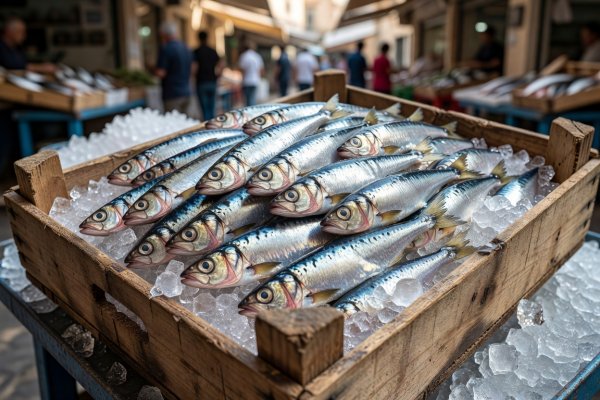
The fish market is the unfiltered nervous system of a coastal community. It is where price reflects the severity of night winds, where restaurant chefs stand shoulder-to-shoulder with pension-aged home cooks, and where no fish is cleaned until purchase is confirmed.
The Four Hours of the Hall
Visiting a European seafood market as an observer requires understanding the unseen choreography that precedes the public opening hours.
-
03:30 – 05:00: The Auction Block (Lonja / Halle à Marée)
Boats unload blue plastic crates directly onto cold auction conveyor belts. Wholesale purchasers, cooperative representatives, and fine restaurateurs bid via digital handhelds or rhythmic vocal auctioneers. The fish has not been touched by human hands since haulage.
-
05:30 – 07:00: The Ice Bed Architecture
Stallholders construct sloped pyramids of crushed flake ice. The incline serves two purposes: displaying gills and bellies at eye level, and draining meltwater rapidly so fish never sit submerged in stagnant water.
-
07:00 – 09:30: The Professional Rush
Sous-chefs, fish soup purveyors, and knowledgeable locals buy whole specimens. Fish are checked by their bright bulging eyes, red wet gills (not brown), translucent slime coating, and fresh ocean scent devoid of ammonia.
-
10:00 – 12:30: The Domestic Wave & Port Aperitif
Shoppers select smaller portions. Nearby bars on market perimeters begin opening chilled kegs and bottles, serving quick tapas made from trimmings and small fry.
Four Essential Coastal Halls
Each market hall embodies the architectural and culinary history of its body of water.
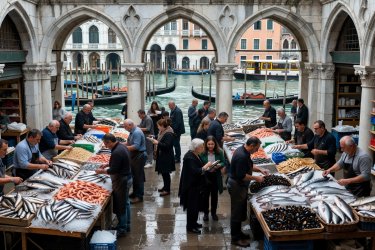
Pescheria di Rialto
Operating under neo-Gothic covered loggias along the Grand Canal for nearly a thousand years. Famous for lagoon seppie (cuttlefish), canocchie (mantis shrimp), and live bivalves kept in net bags suspended in seawater wells.
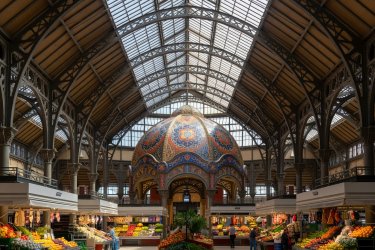
Mercat Central de València
A cathedral of ironwork and stained glass where the central rotunda is dedicated entirely to pescadería. Home to Mediterranean dorada, red prawns from Dénia, and eels harvested directly from the Albufera freshwater lagoon.
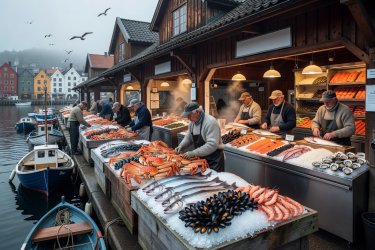
Fisketorget
Trading since 1276 beneath the Hanseatic wharf of Bryggen. Specialises in cold-water North Sea wonders: live red king crabs, smoked salmon belly, whale steaks, and dried Atlantic cod (tørrfisk) cured on outdoor wooden drying racks.
How to Read a Stall Without Speaking
Every fish counter tells a story about whether the merchant caters to knowledgeable local kitchens or distracted passers-by.
The Clues on the Slate
1. Whole vs Fillet: Respectable markets in Spain, France, and Italy display whole round fish. Fillets are cut only in front of the buyer's eyes.
2. The Ice Drainage: Notice the slope. High-quality counters never allow puddles to form beneath sea bream or mackerel; clear runoff holes prevent softening of flesh.
3. Traceability Labels: European Union regulations mandate gear type (pole, trawl, net) and FAO fishing zone (e.g., FAO 27 for Northeast Atlantic, FAO 37 for Mediterranean). An FAO code from distant waters at a local coastal market reveals imported stock.